

The Art and Science of Kingston Gelato
Food science
When I first launched my gelato venture, my heart was set on the vegan and animal rights angle, and early market research favoured this direction. However, I quickly realised that this decision could mean something deeper to more customers. I began hearing from people with parents, partners, and children dealing with serious food allergens—from dairy and nuts to soy and gluten.
While I’ve had friends improve their health by cutting out certain food groups, I don’t personally know anyone with full-blown allergies. But if you or a loved one does, you know that every single ingredient matters.
This blog is a deeper look into exactly what goes into making Kingston Gelato products and why. Whether you’re here for the allergen info, curious how I make a "Almond Croissant" type flavours without dairy , or just a lover of local treats, this is for you.
Gelato vs. Ice Cream: What’s the Difference?
People often ask what sets gelato apart. Traditionally, gelato has a much lower fat content—usually 6% to 9%—compared to ice cream, which can reach 15% or 20%. Gelato also relies on milk and water, whereas ice cream is built on heavy cream. While temperature is also a key difference, keeping the fat percentage down to gelato levels is my main driver.
For dairy-free gelato, this means a precise focus on bases that don’t just "replace" dairy, but actually enhance the core ingredient. In fact, on my last trip to Italy, a shop owner showed me that nearly half his flavours—anything made with fruit or dark chocolate—were naturally vegan.
The Kingston Method: Ingredients & Innovation
I learned early on that there is no "one size fits all" recipe. I can’t just make a single giant batch of base and split it; every flavour needs its own adaptation to optimise the taste and texture. It's a lot of tinkering, but that’s the fun bit!
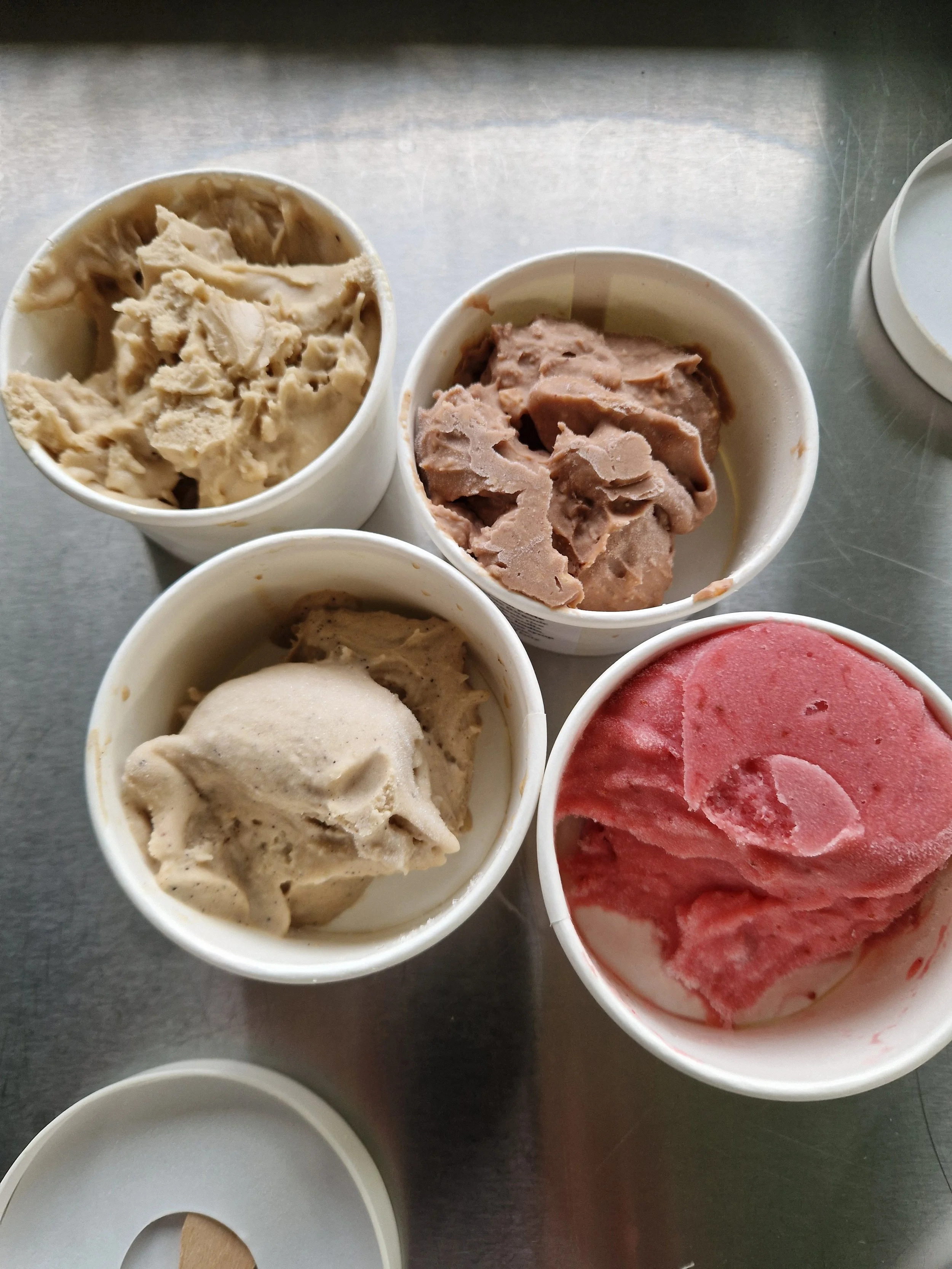
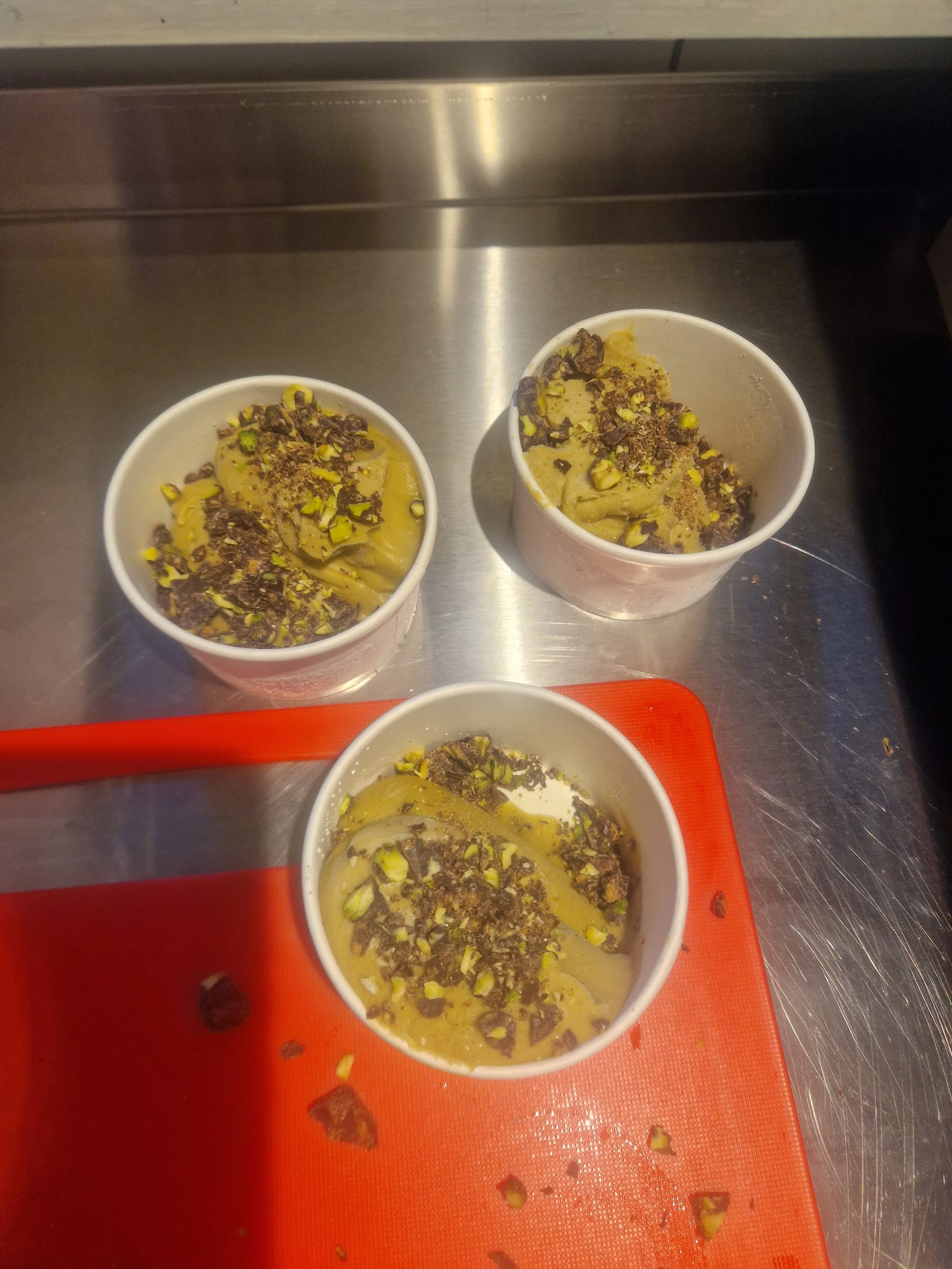
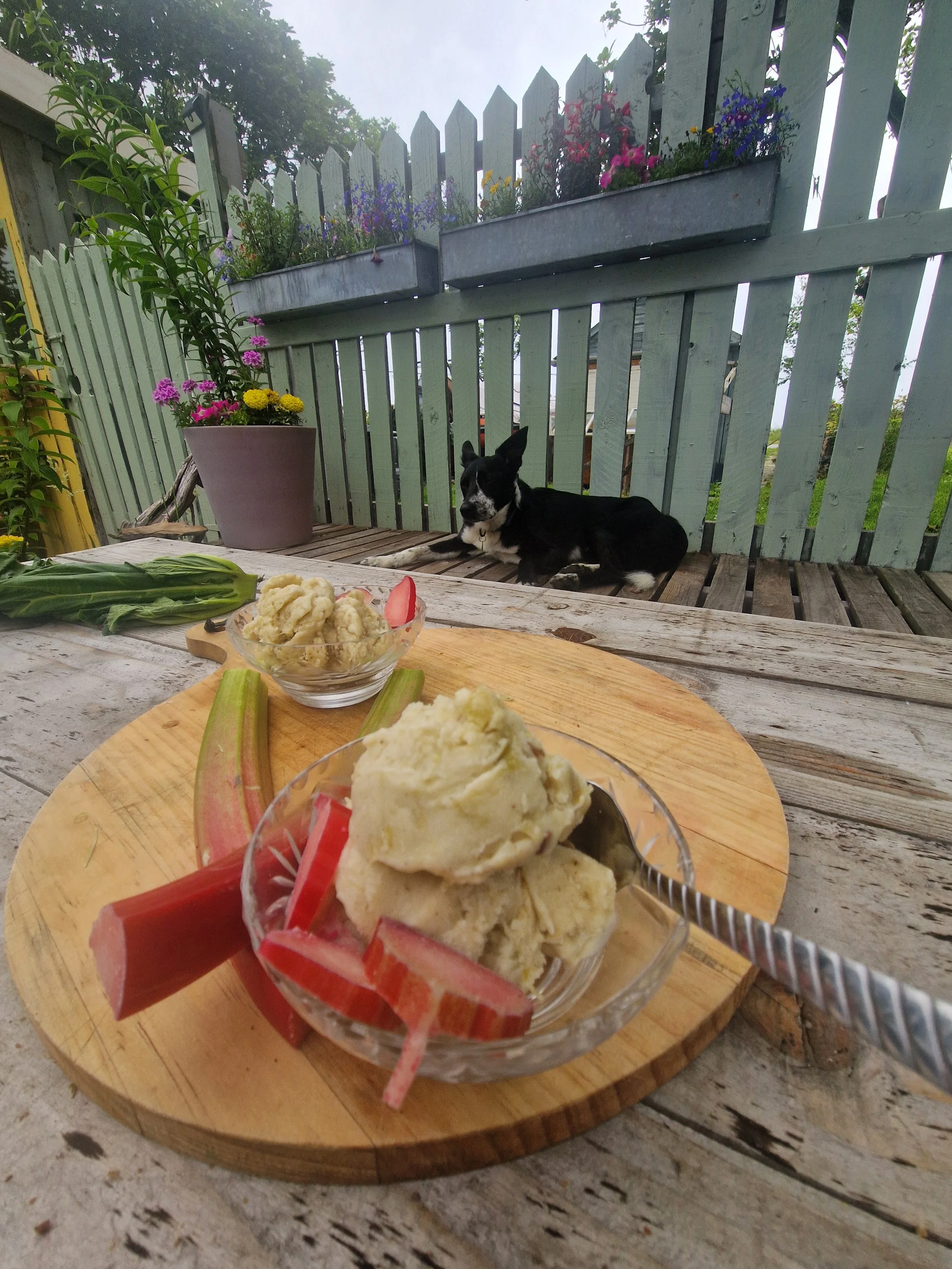
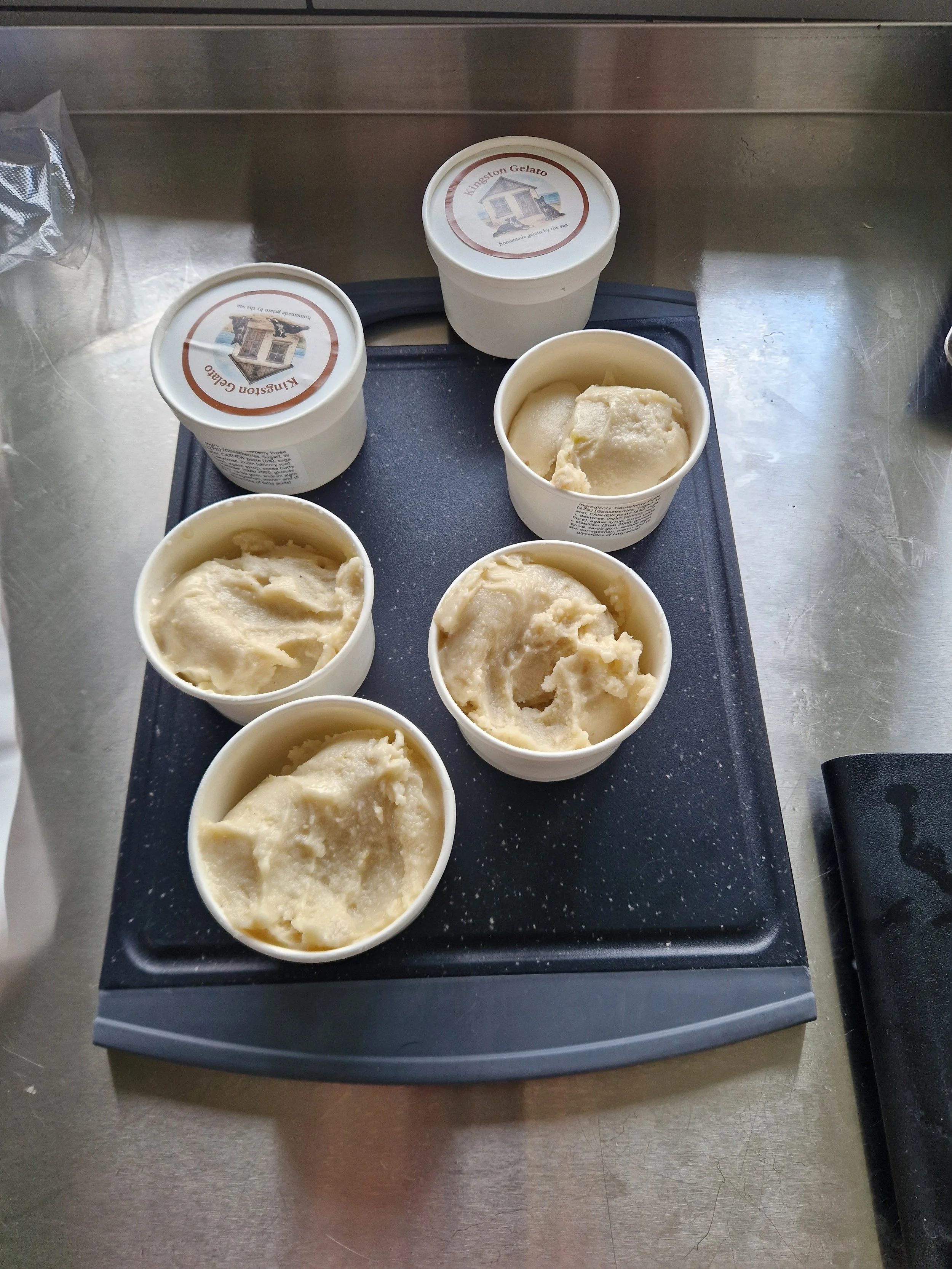
Every batch is built on six pillars:
The Core Flavor: This is the most important pillar. Whether it’s 81% Peruvian Dark Chocolate, local Garmouth rhubarb, or Scottish gooseberries, the entire recipe is adapted to ensure this primary flavour is optimised
Water & Sugars: Essential for the foundation and sweetness.
Fats & Fibres: These provide the structure and signature mouthfeel.
The Stabiliser: I use Louis Francois Stabiliser 2000. It acts like the "eggs" in a cake, allowing the flavors to bind into a perfect frozen dessert.
Stabilisers sometimes have a "bad-boy" reputation because they contain emulsifiers. But in the world of gelato, they bring the magic together. It’s not a health food; it’s a treat—and you can't have the pleasure without a little bit of "payback".
Four Signature Bases
To keep the flavours pure and exciting, I work with four primary foundations:
Nut Bases: Whether it’s cashew, pistachio, or hazelnut, the natural fats create a richness and smoothness that is hard to beat. Cashew is particularly delightful because its neutral profile adds creaminess without being overpowering.
Coconut: A favourite for bold pairings like Mango or Mint Choc Chip. I strictly source from Sri Lanka to ensure cruelty-free harvesting. Like nut butter, coconut milk is often a pure product, free of other additives.
Soy: A gentle staple that pairs perfectly with coffee or delicate fruits. It’s more gentle than coconut, and the soy milks I use are also gluten-free.
Oat Milk: My go-to for "custardy" sensations like strawberry or rhubarb. My oat milk is always gluten-free, so "Oats" is the only allergen on the list.
Local Fruit, Chocolate, and A Little More Love
It’s easy to veer towards local suppliers here in Moray, where the best berries in the world grow abundantly. Last year, I made batches using local Kingston plums and Garmouth garden rhubarb. I use frozen Scottish berries—gooseberries, raspberries, blackcurrants, and cherries—all from a local fruit merchant.
For my chocolate, I source from Real Food Source in Carlisle. Each vegan chocolate has a different mix; my favorite 81% Peruvian Dark contains only sugar, vanilla, cocoa mass, and cocoa butter, while others might contain soy lecithin or rice powder. I also love to experiment with 70% vegan milk chocolate and oat white chocolate.
And there are other flavours, such as Caramel Latte, made with locally ground coffee from Speyside Roasting Co.
Any dessert made with animal products can be recreated with plant-based alternatives. It just takes a little more love, a little more effort, and a lot of tinkering.
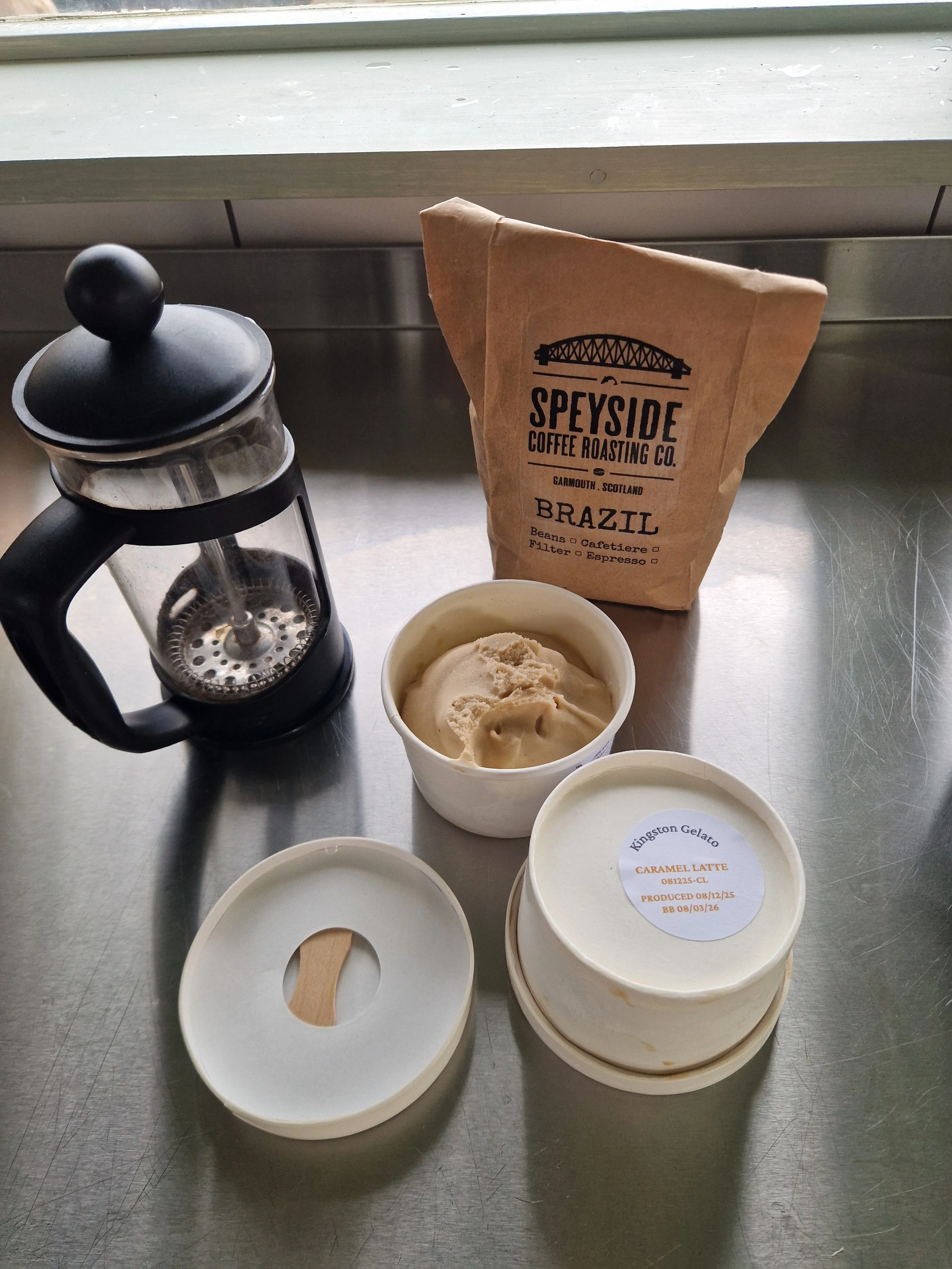
Caramel Latte
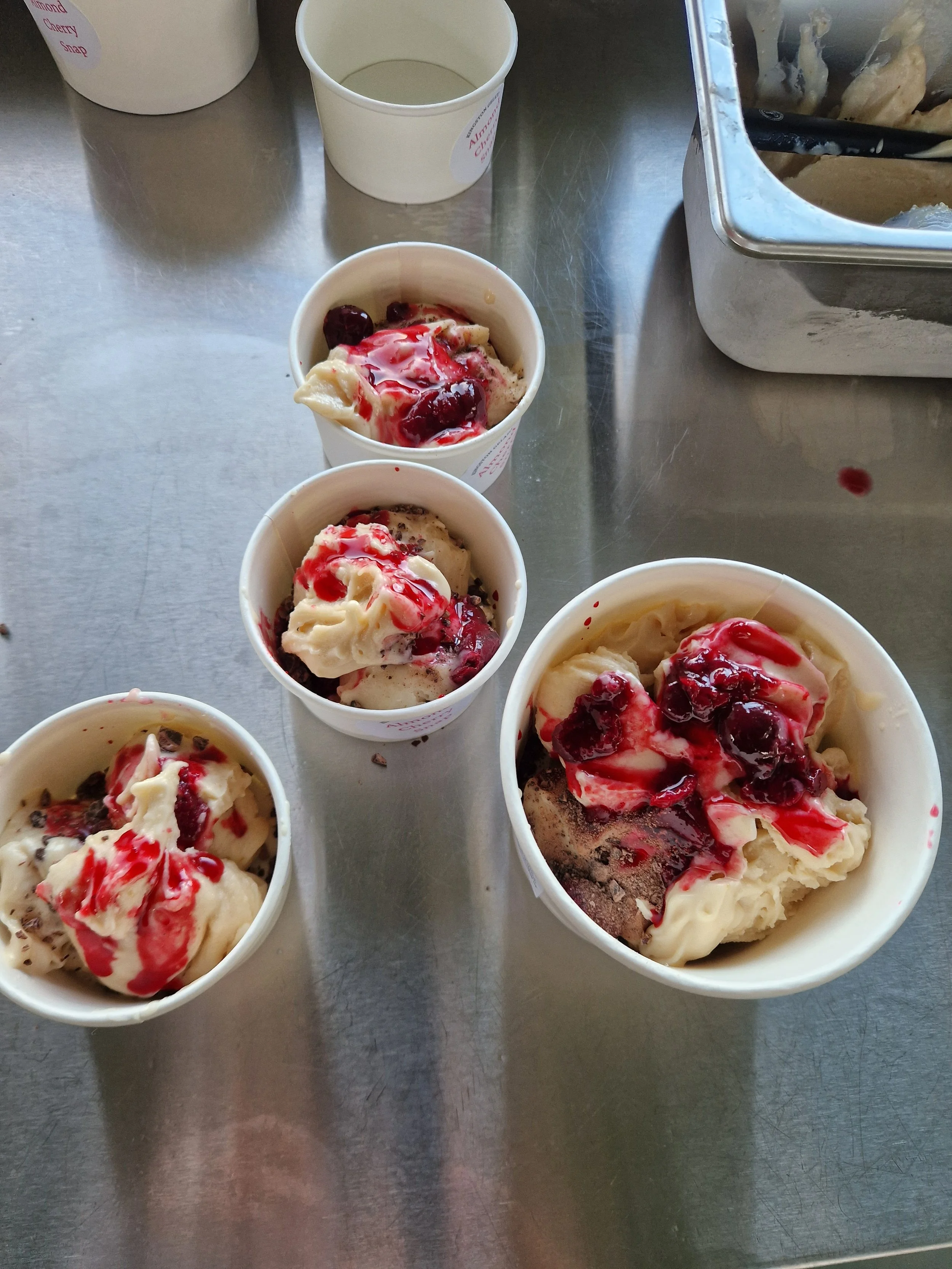
Almond Cherry Snap